ServicesSolar System Add-Ons
Solar System Add-Ons in Salt Lake City
Your needs change. Maybe you bought an EV, finished the basement or your bills crept back up. We add panels, chargers, monitoring and electrical upgrades to the system you have, and we check that everything works together before we leave.
Build on the System You Already Have
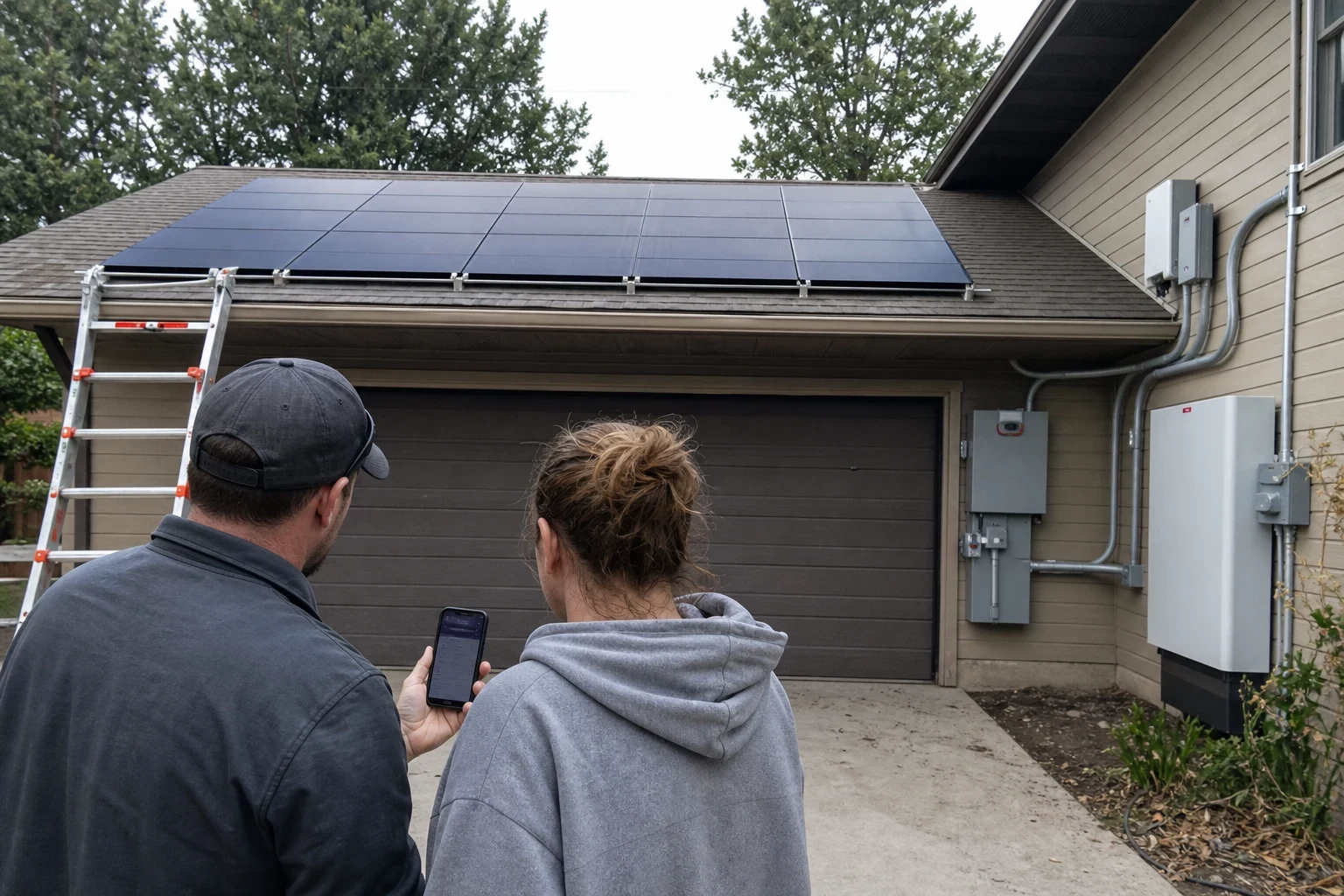
Add-on work is anything we do to a solar system after it's already up and running, whether that means making more power or making it easier to use. The usual list is extra panels, an EV charger, better production tracking, or a larger electrical panel so the house can carry the new load. The parts that work stay put. We only touch what needs changing.
Getting the pieces to fit is the hard part. Extra panels must stay inside your inverter's voltage and current limits. A charger needs space on a breaker panel that might be close to full already. So we review the whole system before quoting, and we tell you up front what makes sense and what doesn't.
A lot of homes around Salt Lake City still have older, smaller electrical service. That can change the scope of an add-on, so we look at it on the first visit instead of finding out mid-job.
Add-Ons We Install
- 01
System expansion
We add panels to raise production. We match them to your current inverter or add microinverters or a second inverter so the new and old panels don't drag each other down.
- 02
EV charger circuits
We run a dedicated 240-volt circuit and mount a Level 2 charger where your car parks. Charging an EV can add a lot to your yearly use, so we size the solar side to cover it.
- 03
Production monitoring
We set up monitoring so you can see what the panels make each day on your phone. A drop shows up fast, so you are not waiting for a high bill to tell you something is off.
- 04
Electrical panel upgrades
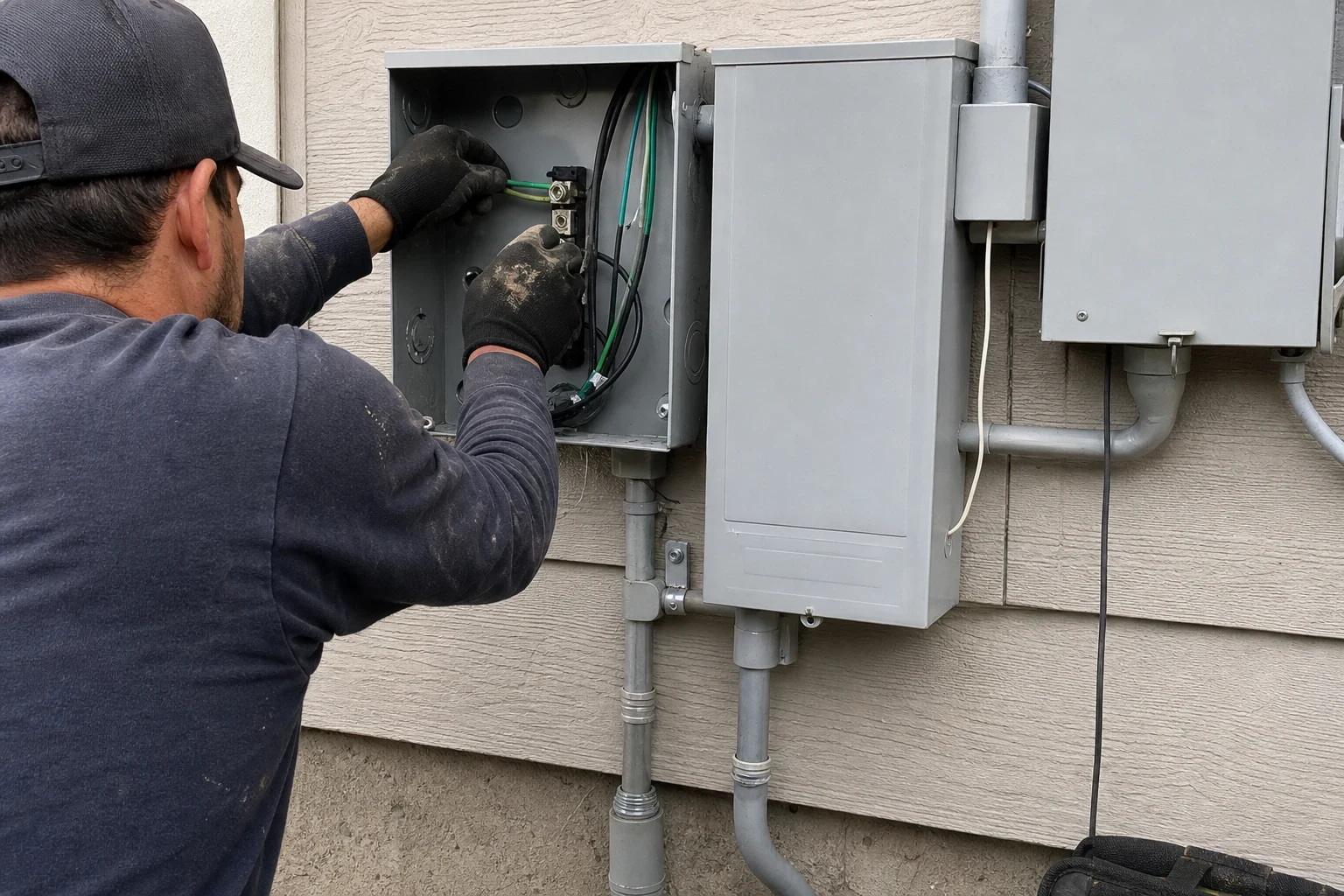
If your main panel can't take more breakers or more solar backfeed, we upgrade it. This is often what makes the other add-ons possible.
- 05
Battery tie-in
If you want backup power or to store daytime power for evening use, we can add a battery to your setup. Our Battery Storage page covers that work in detail.
Questions about Solar System Add-Ons?
Call(801) 509-5651Signs Your System Needs an Add-On
Your bills are climbing again
Your use grew but your system didn't. A hot tub, a home office or a new heat pump can quietly outrun what the panels make.
You bought an electric car
Charging off a standard outlet is slow. A Level 2 charger with solar sized for it is the usual fix.
You can't tell what the panels are doing
Older systems often have no monitoring or a dead app. If you only learn about a problem from the bill, it's time for better monitoring.
Your breaker panel is full
No open slots, or tandem breakers squeezed in everywhere, means the next project needs a panel upgrade first.
You plan to add more appliances
Switching from gas to electric for heat or cooking changes your load a lot. It is easier to plan the solar side now than to chase it later.
How an Add-On Job Goes
- 1
Phone call and quote
Tell us about your current system and what you'd like to add. We review a few past bills and the equipment you have now, then give you your quote by phone. If it's easier, we can do a free virtual appointment and you can point your camera at the setup.
- 2
Site check
We look over the inverter, the main panel and the spots where new gear would go. We take photos and write down anything that changes the job, such as a small panel or aging wiring.
- 3
Permits and utility paperwork
We pull the permit. If added panels raise your system size, we also send the interconnection update to Rocky Mountain Power. The paperwork is on us.
- 4
Work day
The hands-on part usually wraps up in one day, sometimes less. Power stays off only as long as the work requires, and we clear out our scraps and tools before we go.
- 5
Inspection and test
Once the city inspector signs off, we power everything up and test it. Then we walk you through the monitoring screen so you know what a normal day looks like.
What Changes the Cost
Add-on prices vary more than a new install because every existing system is different. The biggest swings come from what's already on your home and whether it can handle more. We list each item on your quote so you can see where the money goes. Ask about $0 up front when we talk.
- Your current inverter
- If it has room, new panels plug in easily. If it's maxed out or near the end of its life, adding microinverters or a second inverter costs more.
- Main panel capacity
- A panel with open slots and room for backfeed keeps costs down. An upgrade adds material, labor and sometimes a utility disconnect.
- Distance and wire runs
- A charger in an attached garage next to the panel is a short run. A detached garage or far side of the house means more wire and trenching or conduit.
- Matching equipment
- Newer panels may differ in size and output from your old ones. Finding gear that works with what you have can change the parts list.
Common Questions About Adding On
Another company did my original install. Is that a problem for an add-on?
Usually not. We start by checking the panel brand, the inverter model and how the first crew ran the wiring. If something about that setup makes adding on a bad idea, we tell you plainly before any work is planned.
Will the new panels match the ones I have?
Not always exactly. Panel makers change their models every few years, so the same panel may no longer be sold. We pick panels that fit your system's electrical limits and look as close as we can get, and we show you any visible difference before you sign off.
Do I need a new electrical panel for an EV charger?
It depends on your service size and how full your breaker panel already is. We do a load calculation before anything else. Sometimes a lower charger setting or a load-management device means you can skip the upgrade.
Does Rocky Mountain Power have to approve a bigger system?
Yes. Any increase in system size needs the utility's sign-off before the new panels can run. We file that paperwork for you and leave the added panels off until the approval comes back.
Can I hold off on a battery for now?
Of course. Plenty of homeowners go solar first and add a battery a few years later. If you think you'll want one, tell us now so we leave space on the panel and plan the wiring for it.
Tell Us What You Want to Add
If you can, grab your latest power bill and check the brand name on your inverter before you call. We'll go over what your system can handle and what the work would look like. Earn $1,000 for every referral that goes solar, so mention it to a neighbor who has been thinking about panels.